
A transit information project has more than one stakeholder. Passengers need clear guidance, the operator owns service information and the site team manages the physical stop. A shared brief helps connect these responsibilities.
List the passenger questions
Start with the questions passengers ask at that location. Which route serves the stop? Where does it go? Has the service changed? Where can a visitor find additional assistance? Prioritize the information that helps someone make an immediate decision.
Different stops may need different content. Record the relevant routes, interchange options and nearby services. Keep the first discussion focused on the information task rather than assuming every screen needs the same layout.
Identify each information source
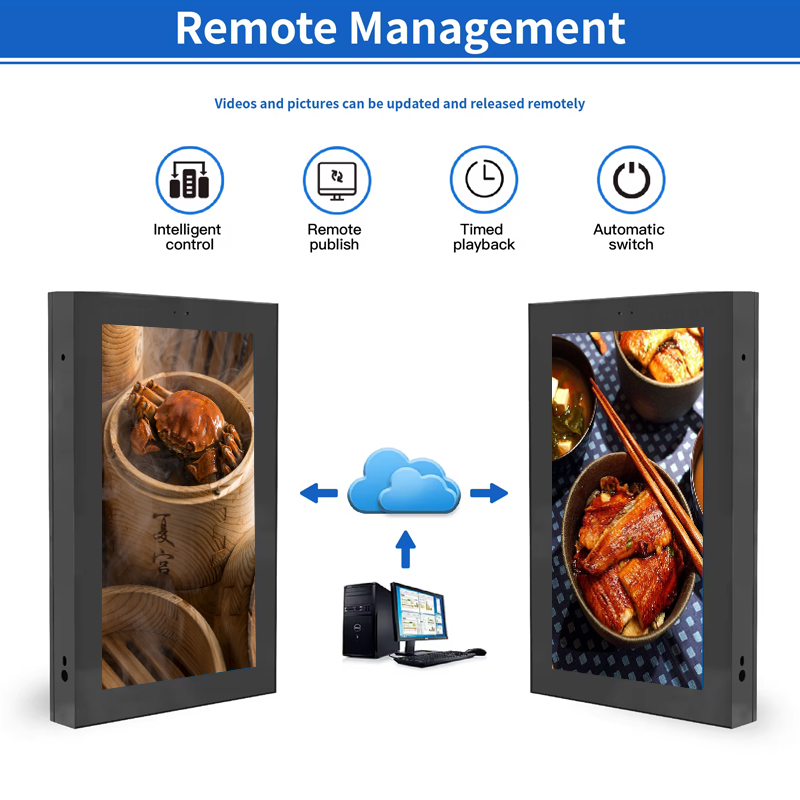
For each content item, name the source and the organization responsible for it. Distinguish a manually published notice from a data-fed arrival message. Confirm the update method, review process and intended response when a source is unavailable.
If system integration is required, gather documentation and contacts for the relevant systems. Compatibility and integration scope need confirmation for the specific project.
Coordinate the physical setting
Record the shelter structure, intended equipment position, pedestrian route and maintenance access. Establish who owns the shelter and who approves changes. Share photographs and any available site drawings.
Review outdoor conditions, power availability and connectivity with the technical team. A solar configuration should be assessed against the site and operating schedule.
Define a reviewable project scope
Bring the content requirements, physical interfaces, proposed equipment and operating responsibilities into one document. Ask the project team to distinguish confirmed requirements from open questions.
- Passenger information priorities.
- Content sources and publishing roles.
- Site approvals and installation constraints.
- Power, network and support assumptions.
- Required technical documents and review milestones.
A clear brief gives procurement, operations and engineering a common starting point for comparing proposals.