A useful outdoor signage brief begins before a screen size is chosen. The display serves a specific place, audience and information task. Solar planning adds another set of questions about the site and operating schedule. Bringing those questions together helps a procurement team compare proposals on a consistent basis.
Begin with the information task
Write down what people should be able to do after seeing the display. A passenger may need to identify the correct route. A park visitor may need to choose a walking path. A person in a public plaza may need to find a service or read a current notice.
Prioritize those tasks. Separate information that remains stable, such as an orientation map, from messages that change throughout the day. This helps the team discuss layout, update frequency and the source of each message.
Describe the installation site
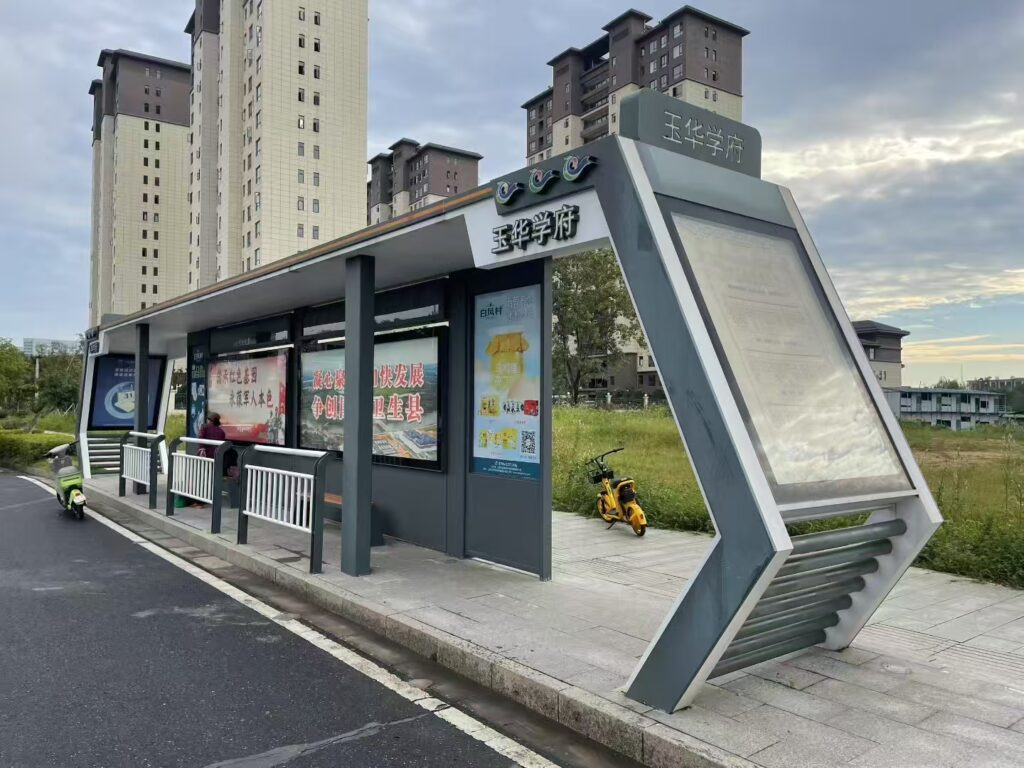
Provide the installation country, a site description and photographs showing the intended position and surrounding area. Note nearby trees, buildings, pedestrian routes and access restrictions. Record which organization owns the location and who can approve equipment there.
A technical team will need to review sunlight, shading, weather exposure and installation constraints. Avoid treating one site as representative of every location in a larger rollout. A short list of known differences is useful at the briefing stage.
Define the operating schedule
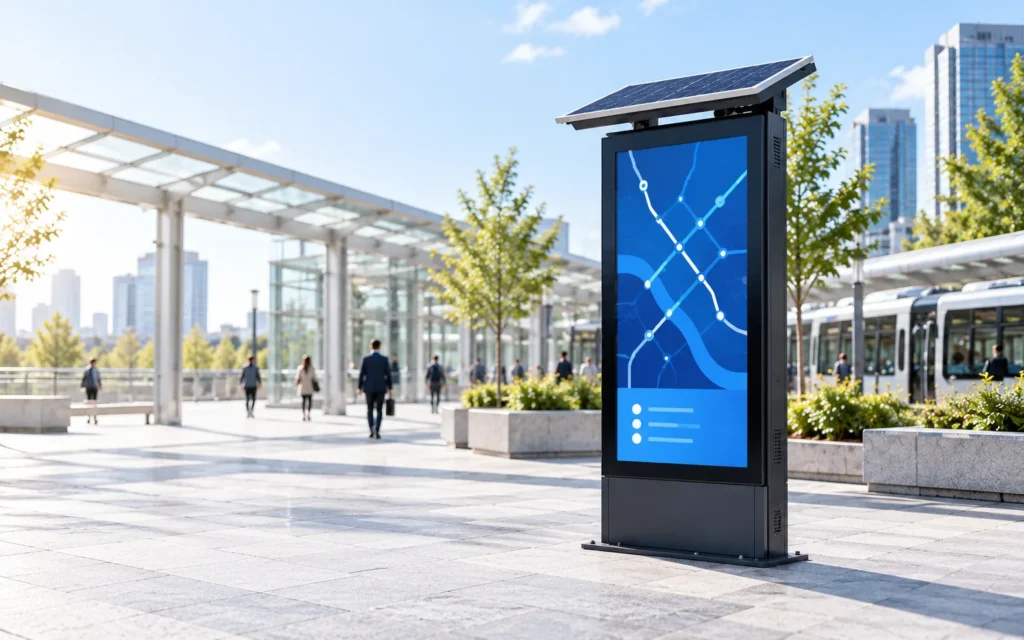
Explain when the display needs to operate and how frequently content changes. Identify whether there is an existing power supply, whether a solar configuration is being considered and whether hybrid options can be reviewed.
The engineering discussion should connect display demand, available solar resource, storage and the intended schedule. Ask for the assumptions and applicable operating conditions behind a proposed configuration. A general product description is not a substitute for a site-specific power assessment.
Agree content and maintenance ownership
Name the team responsible for publishing information. If a data feed is required, identify its owner and how updates become approved content. Discuss the response to an unavailable feed or an outdated message before deciding that an integration is in scope.
Maintenance access also belongs in the brief. Record access hours, site permissions and the roles responsible for inspection and service coordination. These practical details can influence enclosure access and installation planning.
Request comparable documentation
Ask suppliers to identify the proposed model, configuration, technical limits and documentation available for review. Separate a standard product feature from an optional component, customization request or engineering assumption.
- Application and installation location.
- Display format and approximate quantity.
- Operating schedule and information workflow.
- Power and connectivity assumptions.
- Installation, maintenance and documentation requirements.
- Target schedule and procurement process.
Use this information as the starting point for a quotation discussion. The final design and configuration should be confirmed through the appropriate technical review.